
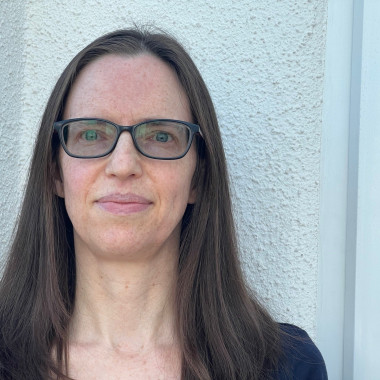
Carolynn Low is a part-time PhD researcher in Sociology in the Faculty of Social Sciences at the University of Southampton, funded by ESRC South Coast Doctoral Training Partnership (SCDTP). Her research focusses on how entrepreneurship may contribute to processes of social and economic inclusion and belonging for refugees and migrants in the UK. Carolynn’s background is in practice, having worked in the voluntary sector for 15 years supporting refugees and migrants in the UK, and she maintains a strong interest in the policy and practice implications of academic research.
Please listen to this WFRC podcast here: The Work Futures Research Centre Podcast – Podcast – Apple Podcasts
The value of migrant entrepreneurship
All too often, discussions around migration become reduced to one-sided rhetoric around the costs – the burdens on the welfare state, public services, housing and job markets. But what about the contributions that migrants make to UK society?
In this podcast, we talk to Professor Monder Ram CBE OBE at Aston University about migrant and ethnic minority entrepreneurship in the UK. Professor Ram has researched small businesses amongst minoritised communities for over three decades and offers an evidence-based evaluation of the value of this entrepreneurship.
This value is often overlooked in the fixation on high-tech, high-growth companies in national conversations. It is also under-recognised in the priorities of mainstream business organisations. It is this oversight that Monder and colleagues are working to address in their research at the Centre for Research in Ethnic Minority Entrepreneurship (CREME) at Aston University.
As set out in the Time to Change research report, there are an estimated 250,000 businesses run by ethnic minorities in the UK contributing around £25 billion per annum to the UK economy. However, these entrepreneurs are not being sufficiently supported to realise their full growth potential, which the report estimates could increase their economic contribution fourfold, to £100 billion a year.
In our discussion, Monder reflects on some of the barriers migrant and minority entrepreneurs face that inhibit growth. These include the real (and perceived) barriers to accessing finance, a lack of engagement with formal business support, insufficient business networks, a need to build management capacity and the persistence of discrimination. Here, Time to Change sets out a new agenda for business support by implementing 10 recommendations to foster growth.
Beyond the national economy, Monder also points to the contribution that migrant entrepreneurs make to their local communities – providing jobs, advice, and social support to local people, backing local causes, and generally contributing to integration processes in the wider community.
Professor Ram ends with a call to refocus the narrative on migration on the positive contributions migrants make to our communities at the everyday level by recognising the vital role migrant businesses play in sustaining the UK economy, revitalising high streets, and supporting local communities.
Engaged scholarship
Also in the podcast, we discuss the idea of engaged scholarship as a way to strive for meaning and impact in academic research. Moving discussions beyond the academy to bring together policymakers, practitioners, researchers, and people on the ground can promotepositive change in our areas of research. Monder advocates that the policy arena needs high-quality evidence, and here academics can offer informed perspectives and foreground the voices of the people they collaborate with in research. Moreover, engagement can enhance scholarship too, bringing new insights and providing the opportunity to test the robustness of academic concepts in practice. Monder reflects on some of the opportunities he has had to practice engaged scholarship through the Centre for Research in Ethnic Minority Entrepreneurship (CREME) over the last 20 years.